

What to Do If Your Cash Is Seized at the Mexican Border by U.S. Authorities
Having your cash seized at the U.S.–Mexico border, whether entering or leaving, can be a shocking and extremely stressful experience. Fortunately, you do have rights and options to recover your money if you act quickly and strategically.
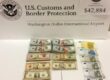
U.S. Customs and Border Protection (CBP) can legally seize cash under federal forfeiture laws. The most common trigger is failing to declare amounts over $10,000 using FinCEN Form 105. Even though carrying large sums is legal, not reporting it can lead to an immediate seizure.
Other reasons include suspected ties to criminal activity, structuring (splitting cash to avoid reporting), or even a canine alert on the currency.
Stay Calm and Get Documentation
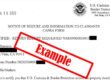
At the time of seizure, CBP should provide a custody receipt. Keep this document as it proves what was taken and by whom. Within a few weeks, you’ll receive a formal Notice of Seizure in the mail outlining your options.
Time is of the Essence
Once you receive the notice, the clock starts ticking. You typically have a limited number of days to respond and choose how to proceed. Missing deadlines can result in automatic forfeiture of your money.
To recover your funds, you must demonstrate that the money came from a lawful source and was intended for a legitimate purpose. Bank records, contracts, receipts, or withdrawal slips can all help support your case.
Hire an Experienced Forfeiture Attorney
Civil forfeiture law is highly technical, and small mistakes can cost you your entire claim. San Diego Defenders / Forfeiture Law Firm specialize in CBP cash seizure cases and guide clients through the process — from filing claims to negotiating recovery.
According to their guidance, acting quickly and selecting the right election of proceedings is critical to maximizing your chances of getting your money back.
Cash seizures at the border are more common than many travelers realize and they can happen even when your money is legitimate. The key is to respond quickly, document everything, and get experienced legal help. With the right approach, recovery is often possible.
For questions or additional assistance contact one of our forfeiture attorneys today for a free, confidential consultation.